
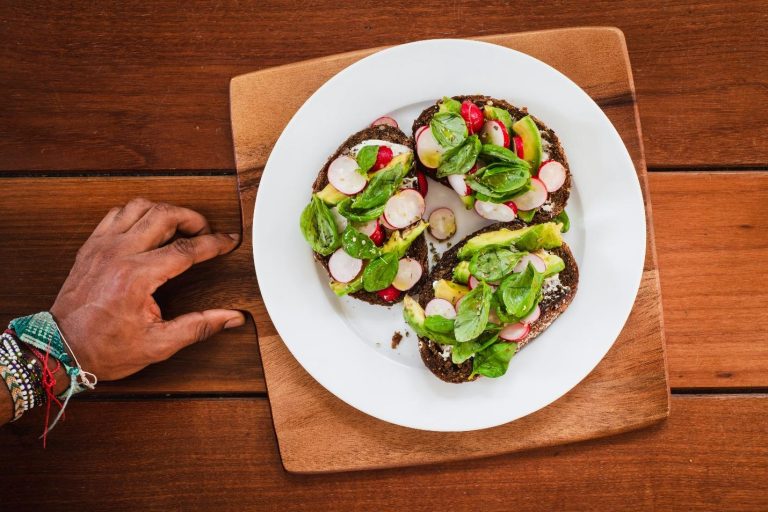
Plant-based eating has moved far beyond being a niche lifestyle—it’s now a growing part of everyday food culture around the world. From home kitchens to restaurant menus, more people are exploring meals centered around vegetables, grains, legumes, and fruits.
One of the main reasons behind this shift is flexibility. Plant-based meals don’t always mean strict diets or complete exclusion of animal products. Instead, many people are choosing to include more plant-forward dishes in their weekly routine, balancing taste, health, and variety.
Another factor is creativity. Modern plant-based cooking focuses on making vegetables the star of the plate rather than a side dish. Ingredients like mushrooms, lentils, chickpeas, and tofu are used in innovative ways to create rich textures and satisfying flavors that rival traditional dishes.
Cultural influence also plays a big role. Many global cuisines naturally include plant-based recipes—think of Indian dals, Middle Eastern mezze, or Mediterranean salads. These traditional dishes are now being appreciated more widely as people look for diverse and wholesome meal options.
At its core, plant-based eating is less about restriction and more about exploration. It encourages trying new ingredients, experimenting with flavors, and rethinking how everyday meals are built.